
UK Prime Minister Sir Keir Starmer Announces Resignation, Triggering Labour Leadership Contest
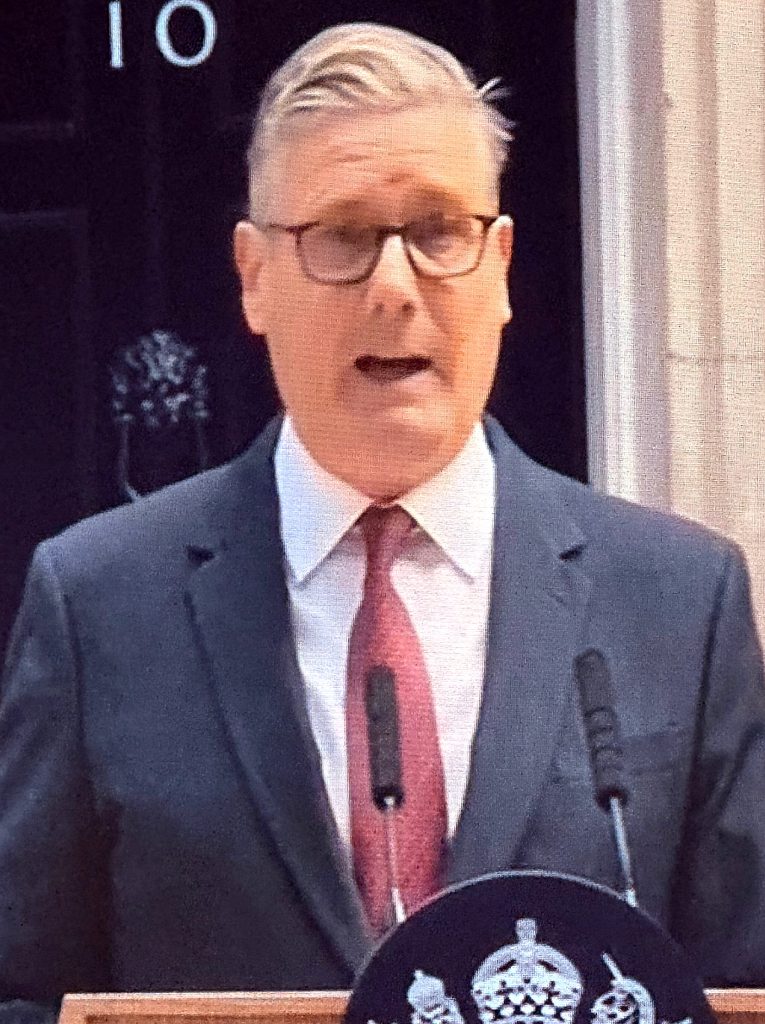
LONDON | Breaking News
The Prime Minister of the United Kingdom Sir Keir Starmer has announced his resignation as Leader of the Labour Party, setting in motion a leadership contest that will determine who leads both the governing party and the nation into the next general election.
In an emotional address delivered from Downing Street, the Prime Minister reflected on Labour’s return to government after 14 years in opposition and defended the record of his administration, citing economic growth, rising wages, increased defence spending, reductions in NHS waiting lists, and measures aimed at tackling child poverty.
The Prime Minister acknowledged that while he had successfully rebuilt the Labour Party and led it back into government, members of his parliamentary party had increasingly questioned whether he remained the right person to lead Labour into the next election.
“I have heard the answer of my parliamentary party to that question, and I accept that answer with good grace,” he said.
Leadership Contest Begins
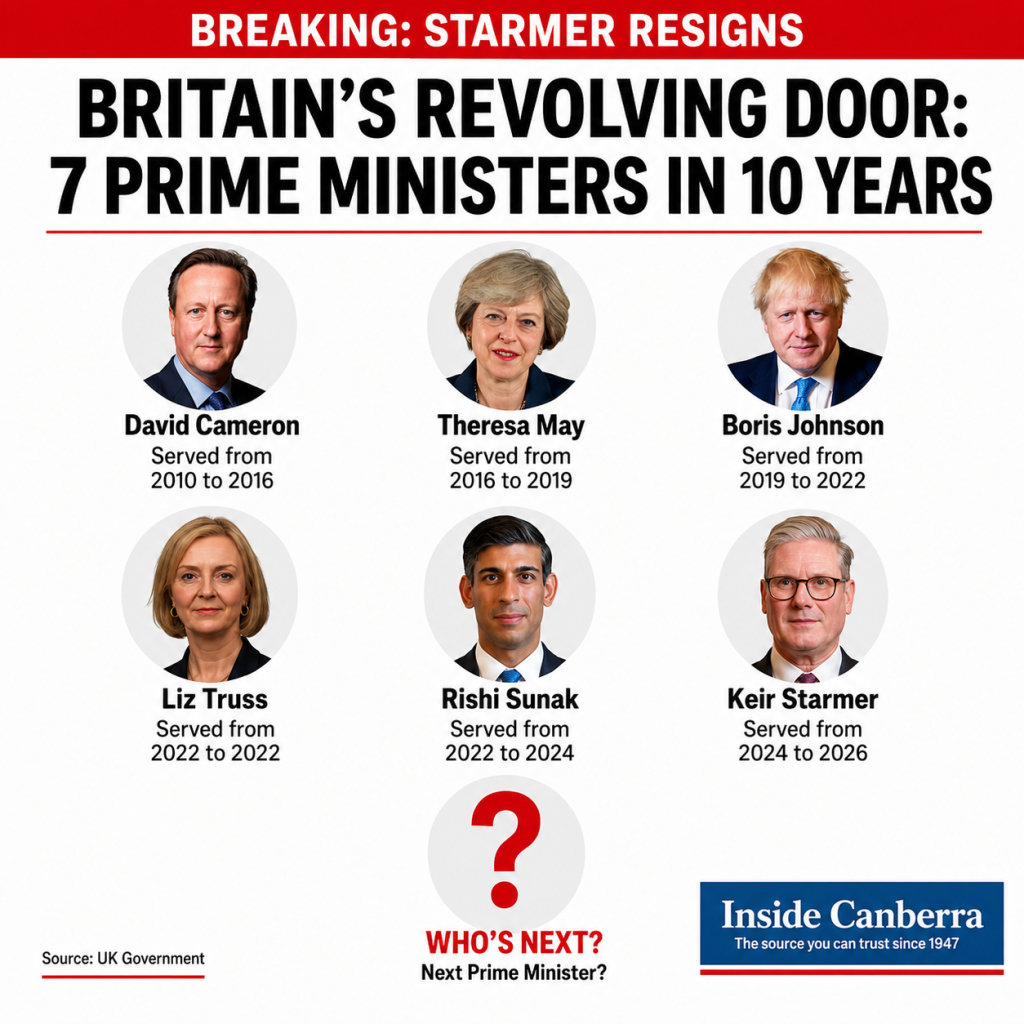
Sir Keir Starmer confirmed he had spoken with His Majesty The King to inform him of his decision and would formally step down as Labour leader. Nominations for a leadership contest are expected to open on 9 July, with the process to conclude before Parliament returns from its summer recess in September.
Importantly, the Prime Minister will remain in office until a successor is chosen, ensuring continuity of government and what he described as an “orderly handover of power.”
The announcement avoids the immediate prospect of a general election, with Labour retaining its parliamentary majority and expected to elect a new leader who would automatically become Prime Minister.
A Defiant Defence of His Record
In a speech that often sounded more like a political valedictory than a resignation statement, the Prime Minister argued that Labour had transformed both the party and the country since taking office.
Among the achievements he highlighted were:
- Economic growth outpacing comparable economies.
- Wages rising faster than inflation.
- Major infrastructure investment.
- Increased defence spending.
- Falling NHS waiting lists.
- New protections for workers and renters.
- Reduced small-boat crossings and asylum hotel usage.
- Measures aimed at protecting children from harmful social media content.
- Policies that he claimed lifted hundreds of thousands of children out of poverty.
The Prime Minister also pointed to Britain’s support for Ukraine, improved relations with European allies and a renewed emphasis on international cooperation as key achievements of his government.
What Happens Next?
Attention will now turn to potential contenders for the Labour leadership, with senior Cabinet ministers and prominent figures within the governing party expected to weigh their options in the coming days.
The outcome of the contest will shape the direction of the British Government ahead of the next election and could have significant implications for Britain’s economic, defence and foreign policy priorities.
For Australia, the leadership transition will be closely watched given the deep strategic, defence and economic ties between Canberra and London, including cooperation through AUKUS, intelligence sharing arrangements and Commonwealth institutions.
While leadership contests often expose divisions within governing parties, the Prime Minister sought to project unity, pledging his “full and unequivocal support” to whoever succeeds him.
As Britain prepares for its second change of Prime Minister in just a few years, the question now confronting Labour is whether a new leader can maintain the party’s parliamentary dominance while preserving the reform agenda that brought it to power.
Inside Canberra will continue to follow developments as the Labour leadership contest unfolds.