CMAG Unveils Treasures of Canberra’s Past in Significant New Acquisitions
CMAG Unveils Treasures of Canberra’s Past in Significant New Acquisitions
The Canberra Museum and Gallery (CMAG) has unveiled a series of significant acquisitions that deepen the story of Canberra’s cultural, artistic and civic heritage, ranging from a rare 1913 depiction of the future national capital to furniture linked to the furnishing of Government House and The Lodge.
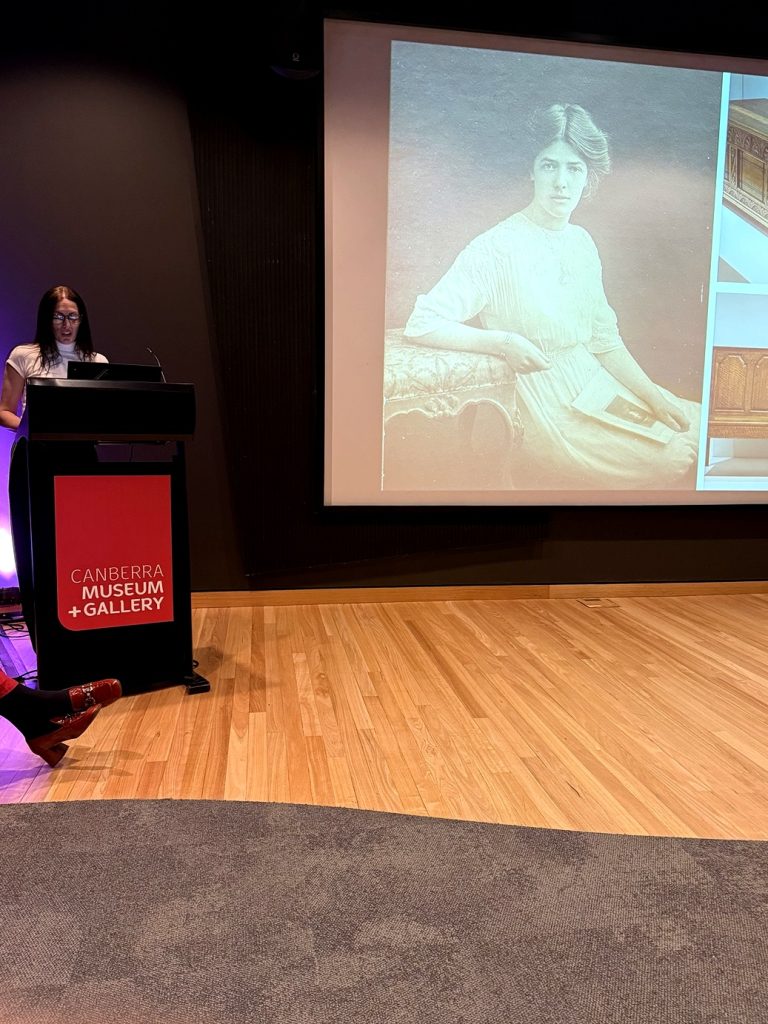
Speaking at a recent CMAG acquisitions event, curators highlighted works that connect contemporary audiences with the people, landscapes and creative traditions that helped shape Canberra.
At the centre of the collection is William Nichols Anderson’s The Federal Capital Site, Canberra, 1913, a panoramic landscape painted during the formative period of the nation’s capital. The work was acquired with support from the Australian Government’s National Cultural Heritage Account after more than four years of pursuit by CMAG.
The painting captures the Canberra landscape at the moment the new federal capital was being established. It formed part of a national competition announced by Prime Minister Andrew Fisher in late 1912, designed to help Australians visualise the future capital before most had ever seen it.
CMAG Senior Curator Virginia Ripley described the acquisition as a nationally significant addition to the collection, noting the painting’s role in documenting both Canberra’s landscape and Australia’s emerging sense of nationhood.
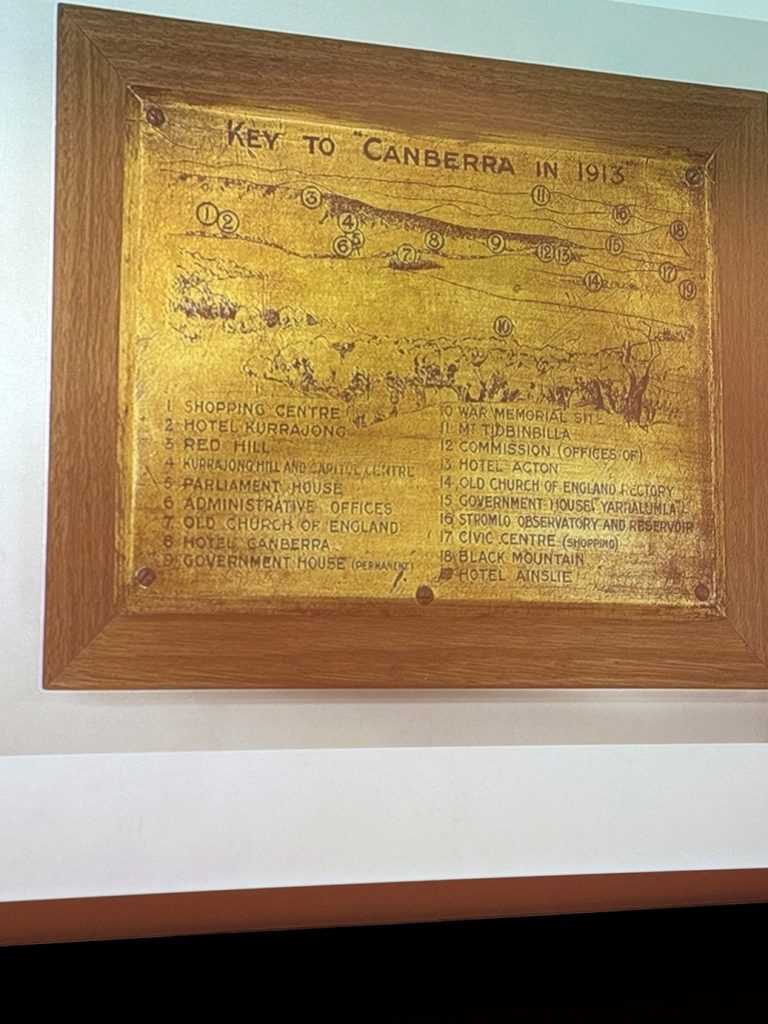
The acquisition also includes a rare interpretive key identifying landmarks visible in the painting, allowing viewers to compare the undeveloped landscape of 1913 with the Canberra that would emerge over the following decades.
Another highlight is the acquisition of three pieces of furniture designed by pioneering interior designer Ruth Lane Poole. Discovered in storage at the CSIRO’s Black Mountain site, the hall table, settle and rug box were originally commissioned for the Australian Forestry School and based on designs created for Government House and The Lodge.
Lane Poole was appointed in 1926 as furniture specialist for the furnishing of Australia’s official residences in Canberra. Drawing on influences from the Arts and Crafts movement and using Australian timbers, she created furniture that reflected both national identity and exceptional craftsmanship.
The pieces are particularly significant as they approach their centenary in 2026 and represent an important chapter in Canberra’s early social and architectural history.
CMAG also celebrated the acquisition of textile works by Ngunnawal-Wiradjuri artist Megan Daley and Wiradjuri artist Rachelle Turner. Created using natural dyes sourced from Country, the works reflect contemporary First Nations artistic practice while maintaining a strong connection to landscape, culture and traditional knowledge.
Completing the showcase was Rosalie Gascoigne’s Wool Clip (1995), the first original work by the celebrated artist to enter CMAG’s collection. Gascoigne, whose artistic identity was deeply connected to Canberra and the surrounding region, remains one of Australia’s most influential modern artists.
Constructed from weathered materials collected from the rural landscape, Wool Clip reflects Gascoigne’s fascination with light, texture and the Australian environment. The acquisition strengthens CMAG’s ability to tell the story of Canberra’s artistic development and the creative figures who found inspiration in the region.
Together, the acquisitions demonstrate CMAG’s unique role as the custodian of Canberra’s visual arts and social history collection. They not only preserve important objects but also help tell the evolving story of the national capital, from its earliest conception through to its contemporary cultural life.