
Saving Canberra—or Losing It? Tim Ross, Heritage, and the Acton Waterfront Question
By Michael Keating, Inside Canberra
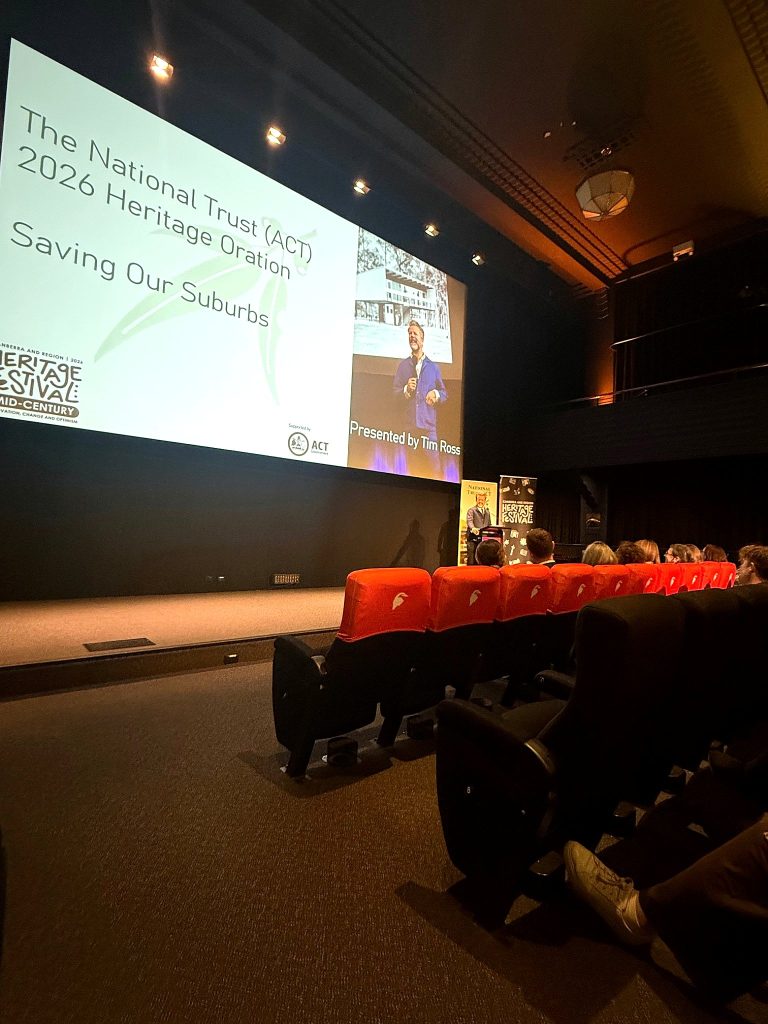
At the National Film and Sound Archive on Tuesday night, the 2026 ACT Heritage Oration—Saving Our Suburbs—was delivered with characteristic wit and urgency by design advocate Tim Ross.
What began as a reflection on mid-century modernism quickly evolved into something more confronting: a warning that Canberra risks eroding the very qualities that make it unique.
And, as became clear in the closing exchange, that warning lands uncomfortably close to home—particularly in places like Acton.
A City Built on Optimism—and Now Under Pressure
Ross framed Canberra as a rare national asset:
a planned city born from belief in architecture, landscape, and public purpose.
Mid-century design, he argued, wasn’t just aesthetic—it was ideological.
It reflected a confidence that good design could shape better lives.
“We don’t save buildings for now—we save them for people in the future.”
But that future is increasingly contested.
Population growth, planning reform, and densification pressures are colliding with heritage in ways that feel less like balance—and more like replacement.
The Suburbs Are the Story
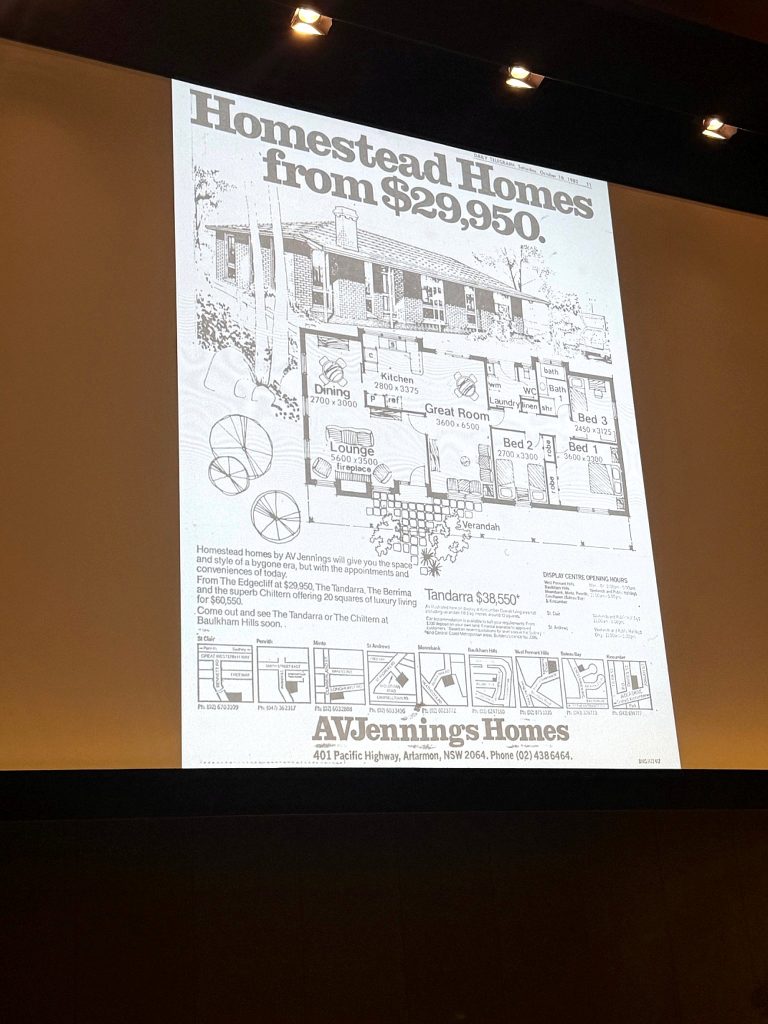
Ross’ central thesis was simple but powerful:
suburbs aren’t just houses—they’re memory, identity, and lived experience.
From bush modernist homes to cooperative developments like Urambi Village, Canberra’s suburbs tell stories of:
- experimentation
- community living
- environmental integration
- architectural ambition
Lose the fabric, and you lose the story.
The Real Problem: Policy, Not Taste
One of the most compelling sections of the oration cut through a common misconception.
The decline in design quality—and the threat to heritage—is not primarily about bad individual choices.
It’s about policy settings shaping outcomes.
Ross pointed to:
- tax incentives
- planning frameworks
- development economics
as the real drivers behind:
- oversized homes
- loss of green space
- demolition of character housing
“Bad design breeds bad design.”
In other words: if the system rewards scale and turnover, heritage becomes expendable.
The most relevant moment of the night for Canberra came during the Q&A.
Raising the Acton Waterfront project, I asked:
What do we do when heritage is being overridden by financial incentives—where overdevelopment risks destroying one of Canberra’s most historically significant areas?
The concern is clear:
- massive densification
- revenue-driven planning
- loss of existing heritage character
- a precedent for future waterfront and civic areas
Ross’ response was measured—but telling.
He didn’t dismiss the concern.
Instead, he reframed the tension:
- Cities must evolve
- Density is necessary
- But outcomes must be better designed, not just bigger
- And critically:
green space and community must remain central
“We don’t crave privacy—we crave community.”
The Missing Piece: Quality, Not Just Quantity
What Ross stopped short of saying outright—but strongly implied—is this:
The problem isn’t density.
It’s bad density.
The risk with Acton—and similar projects—is not that development occurs.
It’s that it occurs:
- too fast
- too large
- too disconnected from landscape
- and too driven by short-term financial return
Without:
- architectural excellence
- environmental integration
- or respect for context
Canberra’s Unique Advantage—At Risk
Ross repeatedly highlighted something many Canberrans take for granted:
the tree canopy.
It’s what allows density to coexist with livability.
It’s what softens buildings.
What creates identity.
What makes Canberra… Canberra.
Projects like Acton Waterfront will test whether that advantage is preserved—or eroded.
A Bigger Question for Canberra
The real takeaway from the night wasn’t nostalgic.
It was strategic.
Canberra faces a defining choice:
Do we:
- treat heritage as an obstacle
- or as a foundation?
Do we:
- maximise yield
- or maximise quality?
Do we:
- build quickly
- or build well?
The Bottom Line
Tim Ross didn’t deliver a nostalgic plea to freeze Canberra in time.
He delivered something more uncomfortable:
A warning that if we don’t get this next phase right, we risk losing what made the city worth building in the first place.
And nowhere is that tension more visible than Acton.