
Fuel Crisis Debate Intensifies as Coalition Pushes for Immediate Relief
Australia’s fuel situation has rapidly become a focal point of national debate, with growing concern over both supply disruptions and rising prices placing pressure on households and businesses.
Speaking in Brisbane on Saturday, Opposition Leader Angus Taylor argued that Australians are facing a dual challenge—limited fuel availability in some areas and increasing costs at the bowser. He pointed to reports of more than 600 service stations experiencing shortages, alongside broader cost-of-living pressures.
“These are not abstract issues,” Taylor said. “Families are already dealing with higher mortgage payments, groceries, and electricity bills. Fuel is now adding to that strain.”
A Proposal for Immediate Relief
The Coalition has proposed halving the fuel excise, a move it says would reduce petrol prices by around 26 cents per litre. According to the Opposition, this could deliver noticeable weekly savings for households—particularly those reliant on vehicles for work or commuting.
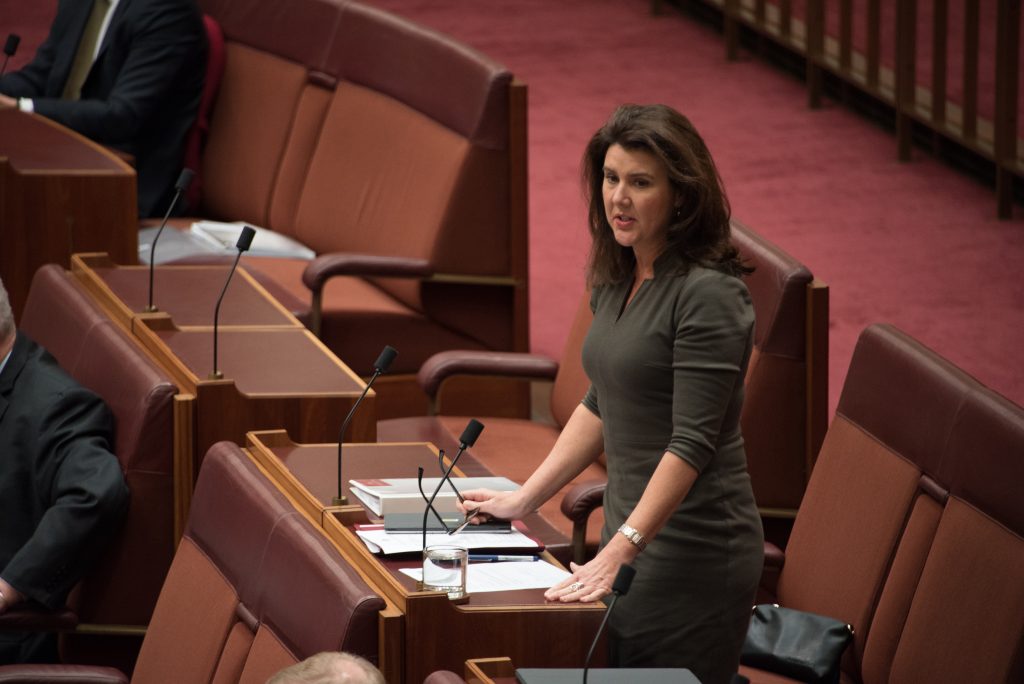
Deputy Leader of the Liberal Party Senator Jane Hume reinforced the urgency, noting that fuel affordability is now intersecting with broader economic concerns.
“Families are starting to dread filling up their cars,” she said, describing the situation as a second layer of pressure on top of an already prolonged cost-of-living challenge.
The Coalition maintains that the proposed tax cut would be “fully offset,” aiming to provide relief without adding further inflationary pressure.
Government Under Pressure—but Questions Remain
While the Coalition has framed the issue as one of leadership and urgency, the government has pointed to existing fuel supply levels and broader market dynamics.
Critics of the excise cut approach argue that reducing fuel taxes could stimulate demand without addressing underlying supply constraints. Others note that global factors—including geopolitical tensions and refining capacity—continue to influence domestic fuel markets.
There are also longer-term policy considerations at play. The government has emphasised its transition toward cleaner energy and electric vehicles, a direction the Opposition has criticised as out of step with current affordability pressures.
Supply, Transparency and Planning
Another emerging theme is transparency. Calls have been made for clearer, real-time information on fuel availability, including proposals for a national dashboard to track supply disruptions.
The issue has also reignited debate around Australia’s fuel security settings—particularly domestic refining capacity and reliance on imports.
Leader of The Nationals Matt Canavan argued that Australia should prioritise developing its own energy resources, framing the current situation as a warning about long-term supply resilience.
The Bigger Picture
As Easter approaches—a peak travel period—the stakes are rising. Higher fuel costs not only affect households but also flow through to tourism, freight, and regional economies.
For Canberra and other urban centres, the issue sits within a broader conversation about infrastructure, planning, and cost pressures. Reliable and affordable mobility remains central to how cities function and grow.
Inside Canberra Perspective
What is becoming increasingly clear is that Australians are less concerned with political positioning and more focused on practical outcomes.
Short-term relief measures—such as tax adjustments—may provide immediate breathing room. But they sit alongside deeper structural questions about supply chains, domestic production, and energy transition pathways.
The coming weeks will likely test whether policymakers can balance urgency with long-term strategy.