
Fuel Pressure Tests Australia’s Resilience as Albanese Moves to Secure Supply
Australia’s fuel system has been stress-tested over Easter — and while the worst appears to have been avoided, the episode has exposed just how vulnerable the nation remains to global shocks.
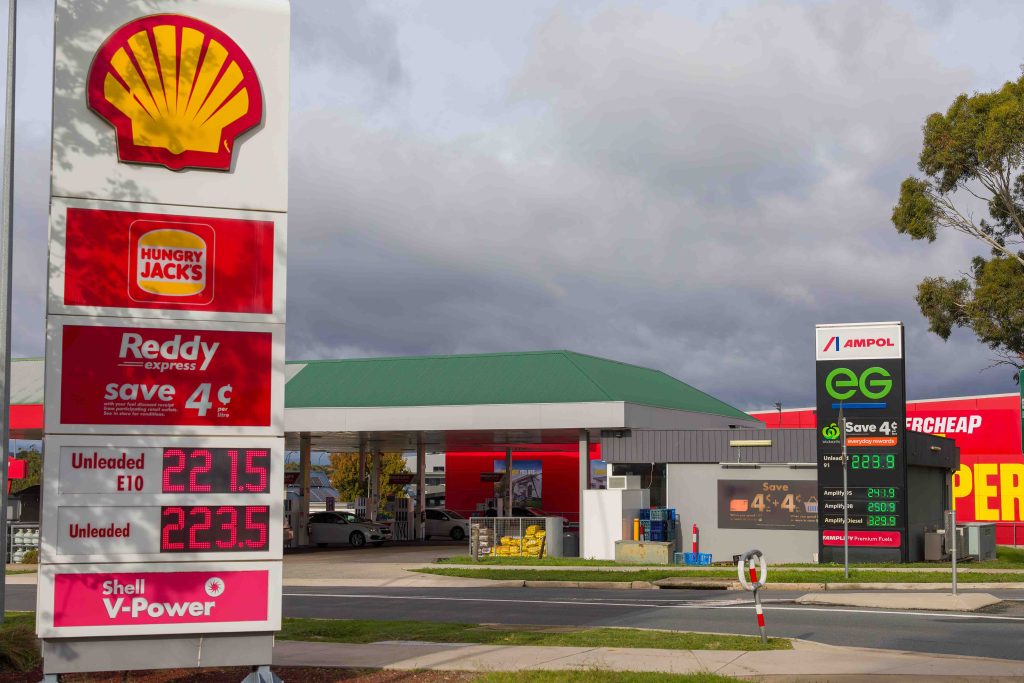
Speaking in Canberra, Prime Minister Anthony Albanese confirmed that fuel shortages are easing, though not fully resolved, with diesel supply still under pressure. The crisis, driven by escalating conflict in the Middle East, has rippled through global energy markets and landed squarely on Australian households and businesses.
Despite a 30% surge in fuel demand over the Easter period, outages have steadily declined. Energy Minister Chris Bowen reported that around 3% of service stations nationally remain without diesel, with supply levels stabilising as deliveries continue to flow.
Australia currently holds:
- 39 days of petrol supply
- 30 days of jet fuel
- 29 days of diesel
These figures, while reassuring on paper, highlight a deeper structural issue — Australia remains heavily reliant on international supply chains for critical energy security.
Singapore Visit Signals Strategic Pivot
In response, the Prime Minister will travel to Singapore this week for high-level talks with Prime Minister Lawrence Wong, with fuel security and supply chain resilience at the centre of discussions.
Singapore is Australia’s largest trade and investment partner in Southeast Asia, and the government is positioning the relationship as a key buffer against global instability.
The visit follows a joint commitment between the two countries to keep fuel and LNG flowing, underscoring a broader shift in Canberra’s approach: resilience through regional partnerships.
As Albanese put it, “It is moments like these that these relationships really matter.”
A Warning Ahead of the Budget
The fuel disruption is now feeding directly into federal budget deliberations, with Albanese confirming that global instability will shape economic priorities.
While insisting the government’s “ambition isn’t diminished,” the Prime Minister acknowledged that the Middle East conflict is already influencing fiscal decisions — and may delay final budget settings.
The message is clear: Australia cannot assume stability in global supply chains.
Instead, the government is increasingly framing its economic agenda around:
- Domestic resilience
- Reduced reliance on imports
- Greater control over critical supply chains
The Structural Problem Canberra Can’t Ignore
Beyond the immediate crisis lies a more uncomfortable reality.
Australia’s refining capacity has dramatically declined over the past decade — from six refineries in 2013 to just two today — leaving the country exposed to precisely this kind of disruption.
While the government points to record reserve levels, critics argue that stockpiles alone are not a long-term solution.
Calls are already emerging for:
- Expanded domestic storage
- Reinvestment in refining capacity
- Greater sovereign control over energy supply
But these solutions come with significant costs — potentially tens of billions — and no quick fixes.
Inside Canberra View
This episode is less a crisis than a warning.
Australia did not run out of fuel — but it came close enough to raise serious questions.
The government’s response — diplomacy, coordination, and short-term supply management — has stabilised the situation.
But the bigger test is still ahead.
If global instability persists, incremental fixes won’t be enough. The real question is whether Canberra is prepared to make the long-term structural decisions needed to ensure Australia is never this exposed again.